Practical Acting Skills
Free Up Your Creative Process—
So You Can
Audition With Confidence

Learn practical, repeatable skills that turn nerves into excitement, speed up preparation, and help you walk into auditions, callbacks, and on set prepared and in control.

Even Experienced, Talented, Actors

Still Get Nervous

  • Actors are often told to “relax,” “be yourself,” or “trust your instincts.”

  • Over time, many ‘learn’ that nerves are something they must fix through mindset or confidence work.

But NERVES aren’t the problem.

Nerves are a signal — a response to uncertainty.

When an actor isn’t fully sure

        • What to do,
        • How to prepare, or
        • How to perform consistently under pressure,

Confidence Collapses.

Not because of a lack of talent — but because parts of the craft remain unclear.

When the Unknown becomes Known,
Confidence Becomes Automatic.

Practical Acting Skills- Core Premise:


  • NERVES diminish CONFIDENCE

  • NERVES are a form of FEAR

  • FEAR is caused by one thing only: The UNKNOWN

  • The UNKNOWN is eliminated by KNOWLEDGE

  • KNOWLEDGE + REPITITION = SKILLS

  • SKILLS diminish NERVES

  • SKILLS BUILD CONFIDENCE

Most theater training emphasizes creativity but overlooks Film & Television technical requirements.

Skills

Generate Confidence 

Instant Line Learning

Know your lines so well they disappear.

Learn fast, repeatable memorization techniques that hold up under pressure — so your attention stays on the scene, not the script.

Quick Character Choices

Make strong, script-based choices without guessing.

Walk into auditions knowing exactly what you’re playing and why. Build playable characters directly from the script in minutes.c

Audition Energy & Presence

Control emotional and physical energy on demand.

Stay focused, expressive, and compelling — even when nerves hit. Learn to enter scenes at the correct emotional level every time.

“Confidence began to replace all the self-doubt and confusion.” — Chris H.

Works With Any Acting Technique

Stanislavsky  ♦  Meisner  ♦  Adler  ♦  Method  ♦  Hagen  ♦  Chekhov  ♦  Practical Aesthetics  ♦  Classical Acting

“These skills don’t replace your training — they support it. They remove technical obstacles so your imagination, instincts, training, and emotional work can function freely.”

Ken Grant

The Weekend Audition Intensive

A focused, hands-on seminar designed to eliminate the technical unknowns that undermine auditions.
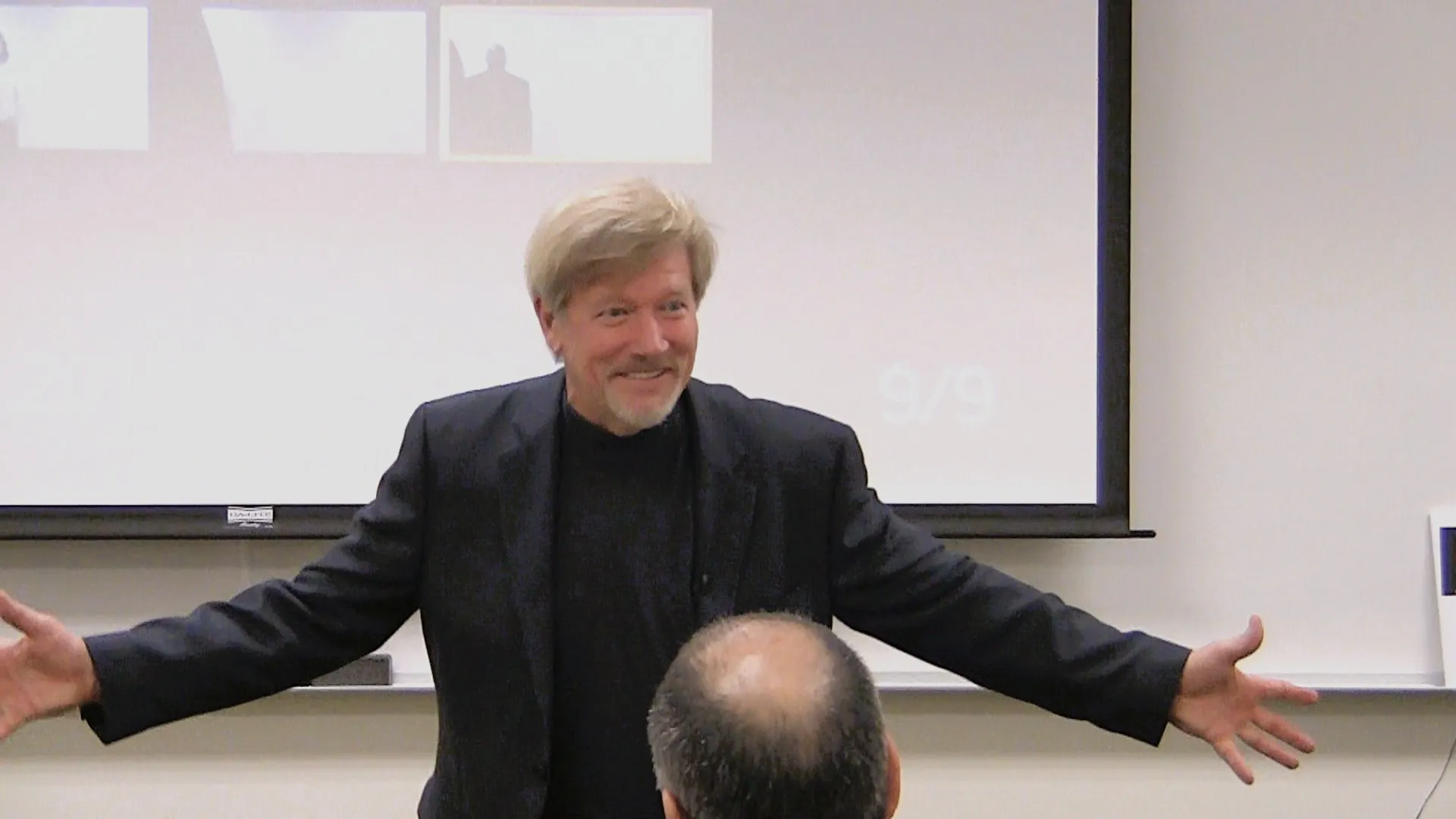
In two days, actors learn how to:

Learn lines fast and retain them under pressure

Control performance energy when nerves hit

Make strong character choices quickly

Walk into auditions prepared and confident

On-camera training
Small group format
Video playback coaching
Personalized feedback

The Solution: When you learn and master these practical, repeatable techniques, the unknowns disappear. The nerves disappear. You are confident in your abilities, and your career grows!

“It gives you a real edge in your confidence at auditions.” — Al A.
“Since I have started working with Ken my booking rate has gone up 100%.” — Ronald F.

Meet Your Instructor:

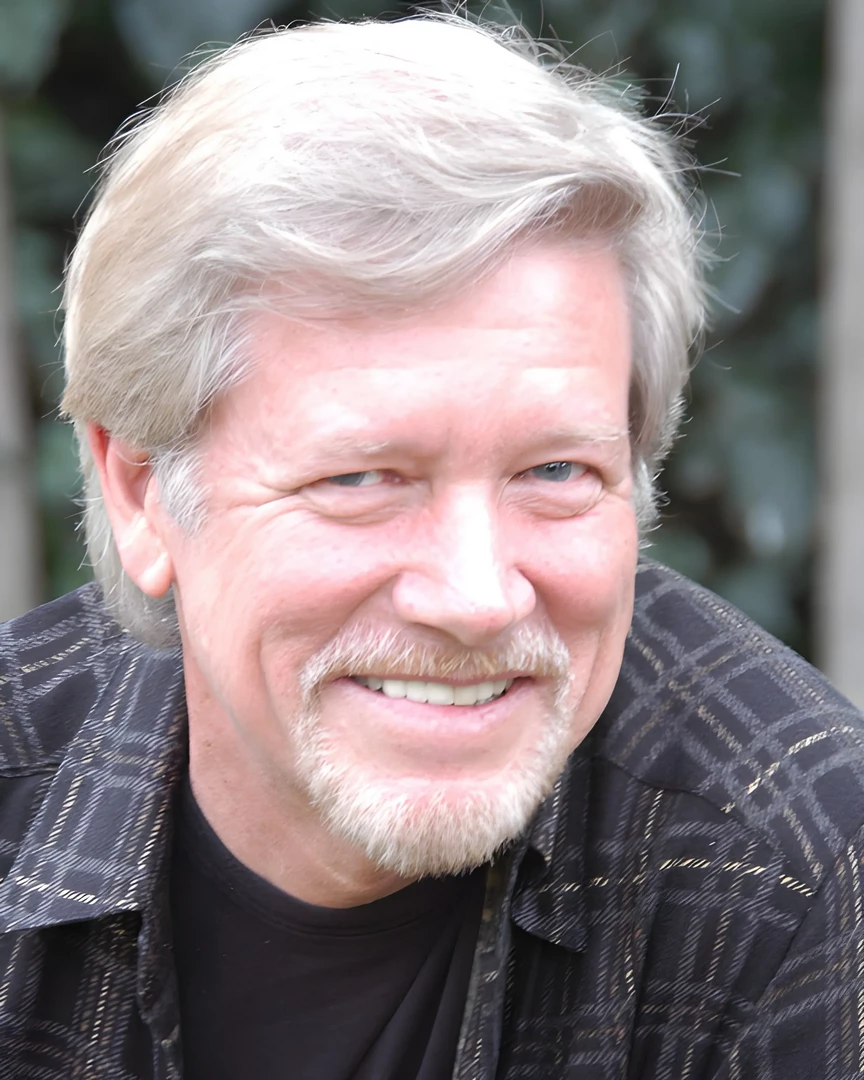
Ken Grant

Ken Grant is a veteran performer, director, producer, and educator with more than 35 years of professional experience across stage, film, television, and live production—and over two decades dedicated to training performers for real-world performance demands.

His professional career placed him inside network television, union productions, live broadcast environments, and large-scale commercial projects, where preparation, speed, and consistency were not optional. Working under these conditions shaped a clear understanding of what performers actually need when time is limited and expectations are high.

Over time, Ken recognized a recurring pattern:
talented performers struggling not from a lack of ability, but from unclear preparation, unreliable memorization, unmanaged energy, and inconsistent choices under pressure.

That observation became the foundation of the Practical Acting Skills approach—training focused on the technical skills that allow talent to show up reliably when it matters.

35+

Years Experience

20K+

Performers Trained

800+

Commercials Produced

What Actors Say

After Training

Real feedback from performers who’ve applied these skills in auditions and on set.

Have Questions?

Check out our FAQ for answers about the seminar format, what to expect, and who this training is designed for.

How is this different from acting classes?
6
7

Traditional acting classes focus on interpretation and emotion; this training focuses on practical skills that make performance reliable under pressure.

Will this conflict with my acting technique?
6
7

No. These skills support every acting technique.

Why do actors get nervous in auditions?
6
7

Because preparation isn’t fully reliable yet.

Isn’t confidence something that comes with experience?
6
7

Confidence comes from clarity, not time.

Free Your Creativity!
Remove the Unknown.
Let Your Talent Do the Work.

Confidence

doesn’t come from hoping it goes well.

It comes from knowing exactly what you’re doing.

Ken's Full Biography

Ken Grant — Performer, Director, Producer, and Educator

Working under network schedules and union standards required the ability to deliver consistent performances under pressure—conditions that would later shape both his directing approach and his teaching methodology.

Network Television, Live Production, and Professional Standards

Ken’s network experience was complemented by extensive work in live television, commercials, and large-scale productions. He later applied this expertise to nationally recognized projects for Nickelodeon, including children’s shows like Gulla Gulla Island, Gulla Gulla Live, Binyah Binyah, and Me and My Friends. In these productions, Ken worked with very young performers and served as choreographer, musical segment director, assistant director, and live show director—roles that required translating creative intent into repeatable performance systems that could function reliably for broadcast television.

His professional background also includes directing and supervising live events and productions for Walt Disney World and Universal Studios Florida, environments where performance, timing, and technical coordination had to work seamlessly in real time.

Ken’s work was grounded in union-based professional standards through long-standing membership in Screen Actors Guild and American Federation of Television and Radio Artists—settings where preparation, accountability, and consistency were assumed as a baseline.

From Production Reality to Teaching Methodology

As Ken began his career, he experienced, and observed in coworkers, the same performance challenges that exist today: unreliable memorization, unmanaged nerves, loss of focus, and inconsistent choices. As a performer and later as a director and producer, he recognized that these issues were rarely about talent or confidence—they were almost always the result of unclear process.

That realization became central to his teaching work.

As founder and head instructor of KVG Studios, Ken designed and implemented a 32-course curriculum covering film, television, storytelling, script analysis, line learning, and performance technique—totaling more than 1,150 hours of structured instruction. Training was built around production realities, not abstract theory, and integrated professional-style environments including a multi-camera soundstage.

He further reinforced this applied approach through long-standing apprenticeships with institutions such as the University of Central Florida and Full Sail University, ensuring that students and technicians gained experience aligned with real production demands.

Perspective Shaped by Industry Experience

Ken’s authority as an educator is the result of direct application across multiple sectors: network television, union performance, live events, commercials, corporate media, and large-scale training programs. He has worked with and alongside established professionals, contributed to hundreds of broadcast and commercial projects, and served as a guest lecturer for organizations including the Florida Motion Picture and Television Association, The L.A. County School Board, The Orange County School Board, Screen Actors Guild, AFTRA, AEA, and dozens of other professional organizations.

Across all of this work, one conclusion consistently emerged:
when performers, public speakers, and presenters understand what they are doing, why they are doing it, and how to prepare reliably, confidence becomes a natural byproduct of the process.

Today

Today, Ken continues to teach and consult in both the Business and Entertainment Industries using material drawn directly from decades of professional experience in environments where performance had consequences. His work reflects a career spent aligning creative freedom with technical clarity, informed by network television standards, union expectations, and real-world production realities.

The seminar material he teaches is not theory—it is the accumulated insight of a working professional who has spent a lifetime inside the process.

Ken's Full Biography

Ken Grant — Performer, Director, Producer, and Educator

Working under network schedules and union standards required the ability to deliver consistent performances under pressure—conditions that would later shape both his directing approach and his teaching methodology.

Network Television, Live Production, and Professional Standards

Ken’s network experience was complemented by extensive work in live television, commercials, and large-scale productions. He later applied this expertise to nationally recognized projects for Nickelodeon, including children’s shows like Gulla Gulla Island, Gulla Gulla Live, Binyah Binyah, and Me and My Friends. In these productions, Ken worked with very young performers and served as choreographer, musical segment director, assistant director, and live show director—roles that required translating creative intent into repeatable performance systems that could function reliably for broadcast television.

His professional background also includes directing and supervising live events and productions for Walt Disney World and Universal Studios Florida, environments where performance, timing, and technical coordination had to work seamlessly in real time.

Ken’s work was grounded in union-based professional standards through long-standing membership in Screen Actors Guild and American Federation of Television and Radio Artists—settings where preparation, accountability, and consistency were assumed as a baseline.

From Production Reality to Teaching Methodology

As Ken began his career, he experienced, and observed in coworkers, the same performance challenges that exist today: unreliable memorization, unmanaged nerves, loss of focus, and inconsistent choices. As a performer and later as a director and producer, he recognized that these issues were rarely about talent or confidence—they were almost always the result of unclear process.

That realization became central to his teaching work.

As founder and head instructor of KVG Studios, Ken designed and implemented a 32-course curriculum covering film, television, storytelling, script analysis, line learning, and performance technique—totaling more than 1,150 hours of structured instruction. Training was built around production realities, not abstract theory, and integrated professional-style environments including a multi-camera soundstage.

He further reinforced this applied approach through long-standing apprenticeships with institutions such as the University of Central Florida and Full Sail University, ensuring that students and technicians gained experience aligned with real production demands.

Perspective Shaped by Industry Experience

Ken’s authority as an educator is the result of direct application across multiple sectors: network television, union performance, live events, commercials, corporate media, and large-scale training programs. He has worked with and alongside established professionals, contributed to hundreds of broadcast and commercial projects, and served as a guest lecturer for organizations including the Florida Motion Picture and Television Association, The L.A. County School Board, The Orange County School Board, Screen Actors Guild, AFTRA, AEA, and dozens of other professional organizations.

Across all of this work, one conclusion consistently emerged:
when performers, public speakers, and presenters understand what they are doing, why they are doing it, and how to prepare reliably, confidence becomes a natural byproduct of the process.

Today

Today, Ken continues to teach and consult in both the Business and Entertainment Industries using material drawn directly from decades of professional experience in environments where performance had consequences. His work reflects a career spent aligning creative freedom with technical clarity, informed by network television standards, union expectations, and real-world production realities.

The seminar material he teaches is not theory—it is the accumulated insight of a working professional who has spent a lifetime inside the process.